Understanding the Basic Responsibilities of a Property Manager
12/29/20257 min read
Introduction to Property Management
Property management is a critical aspect of the real estate industry, encompassing a broad array of responsibilities that ensure the smooth operation of different types of real estate assets. The significance of effective property management cannot be understated, as it directly impacts the value and operational efficiency of properties, whether they are residential, commercial, or mixed-use developments. A skilled property manager plays a vital role in maximizing the return on investment for property owners while providing essential services to tenants.
At its core, property management involves overseeing the daily operations of a property, which can include a variety of tasks such as leasing, maintenance, and tenant relations. Residential property managers typically handle single-family homes, apartment complexes, and condominiums, where they are responsible for attracting tenants, collecting rent, and maintaining the premises. On the other hand, commercial property managers focus on office buildings, retail space, and industrial complexes, managing businesses as tenants and addressing their distinct needs.
Mixed-use developments, incorporating elements of both residential and commercial properties, represent another significant aspect of property management. In such cases, property managers must balance the requirements of both residential tenants and commercial businesses, ensuring that the overall environment is conducive to a positive living and working experience.
The responsibilities of a property manager are extensive, ranging from financial management and regulatory compliance to tenant relations and property maintenance. Their expertise not only helps maintain the physical integrity of a property but also enhances tenant satisfaction, ultimately leading to tenant retention and increased profitability for property owners. Understanding these facets of property management is crucial for anyone involved in or considering entering the real estate field. By recognizing the essential functions of property managers, stakeholders can better appreciate the value they bring to the industry.
The Role of a Property Manager
A property manager serves as the essential link between property owners and tenants, proactively overseeing a variety of tasks to ensure the effective management of residential and commercial properties. Their responsibilities encompass numerous aspects, ranging from daily operations to long-term strategic planning. By employing skilled property managers, owners can increase their investments' profitability while still maintaining a high level of tenant satisfaction.
One of the primary functions of a property manager is to handle the leasing process. This includes marketing the property, screening potential tenants, conducting interviews, and preparing lease agreements. By thoroughly vetting applicants, property managers can mitigate the risks associated with tenant defaults, thus protecting the property owner's investment. Furthermore, an effective property manager ensures compliance with local housing laws and regulations, thereby reducing potential legal liabilities for property owners.
Once the leasing process is completed, property managers take on the responsibility of facilitating a smooth landlord-tenant relationship. They address tenant inquiries and maintenance requests, ensuring that issues are resolved promptly. This aspect is crucial for tenant satisfaction, as timely responses can lead to tenant retention and positive word-of-mouth referrals—both of which can enhance the property's value over time.
Additionally, property managers are tasked with financial management. They prepare budgets, manage expenses, and collect rent to ensure timely revenue for property owners. By maintaining accurate financial records, property managers can provide valuable insights into property performance, enabling owners to make informed decisions regarding their investment.
In summary, property managers are vital in maintaining the balance between property owners and tenants. They play a key role in maximizing property value, ensuring compliance with regulations, and fostering a positive living experience for tenants. Without effective property management, both landlords and tenants can face significant challenges. By entrusting this role to capable professionals, property owners can secure their investments and provide quality housing for their tenants.
Financial Responsibilities: Rent Collection and Budgeting
One of the primary functions of a property manager is to manage the financial responsibilities associated with the property. This includes the critical tasks of rent collection, budgeting, and financial reporting to property owners. Efficient rent collection is vital to ensuring a steady cash flow, which supports the ongoing expenses of property maintenance and improvement. Property managers implement systematic processes for collecting rent, whether through electronic means, checks, or automatic payment systems, ensuring that tenants adhere to their rental obligations.
Furthermore, property managers are tasked with preparing comprehensive budgets that reflect both the anticipated income from rent and the projected operating expenses of the property. This budgeting process often involves analyzing past financial performance, forecasting future revenue, and identifying necessary expenses related to property maintenance, taxes, insurance, and utilities. By maintaining a detailed budget, property managers can help property owners understand where their money is going and ensure that the property remains profitable.
In addition to managing rent collection and budgeting, property managers are responsible for financial reporting. This involves providing property owners with regular updates on financial performance, including income statements, expense reports, and variance analyses that highlight budget discrepancies. Effective financial management also encompasses the careful oversight of operating expenses to identify areas where cost savings can be achieved. By establishing guidelines for spending and tracking expenses diligently, property managers can bolster the profitability of the property. In sum, these responsibilities are fundamental to the role of a property manager, as they ensure financial health and long-term success for the real estate investment.
Tenant Relations: Screening, Leasing, and Communication
In property management, the establishment of strong tenant relations is fundamental to ensuring long-term success. Effective tenant management practices encompass various essential steps, including tenant screening, lease writing, and ongoing communication.
Tenant screening is the first critical step in this process. This involves evaluating potential tenants based on their credit history, rental history, and background checks. By meticulously screening applicants, property managers can select individuals who are not only financially capable but also likely to adhere to the rules and maintain the property. This careful selection process helps minimize risks associated with tenant defaults and property damage, fostering a positive living environment.
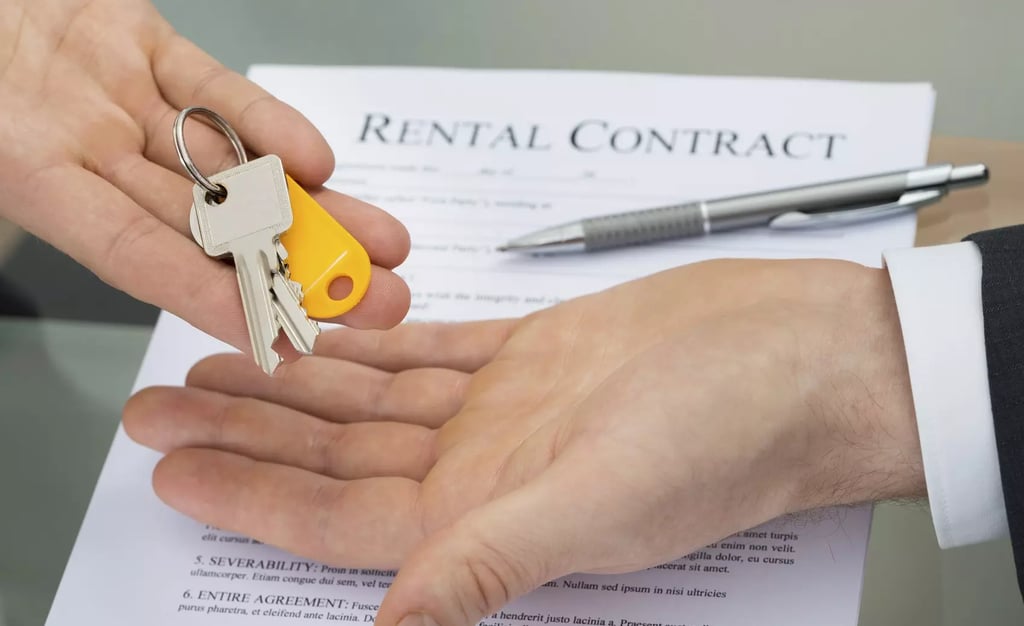
Once a suitable tenant is identified, the next phase involves the formulation of a comprehensive lease. A well-structured lease agreement outlines the rights and responsibilities of both the landlord and the tenant. It serves as a legal protection for both parties and clarifies expectations regarding rent payments, maintenance duties, and the use of common areas. A clear lease also acts as a foundation for future interactions and helps prevent misunderstandings.
However, tenant relations do not cease after the lease is signed. Ongoing communication is crucial for addressing concerns and ensuring tenant satisfaction. Regular check-ins, prompt responses to maintenance requests, and open lines of communication contribute to a positive tenant experience. Property managers who are attentive and responsive to their tenants' needs often see a decrease in turnover rates, as satisfied tenants are more likely to renew their leases.
In conclusion, tenant relations are a vital component of effective property management. Through diligent screening processes, clear lease agreements, and consistent communication, property managers can create a harmonious living environment that benefits both tenants and property owners alike.
Maintenance and Repairs Management
A property manager plays a crucial role in ensuring that the properties they oversee remain in excellent condition. One of the primary responsibilities of a property manager is the management of maintenance and repairs. This includes conducting regular inspections of the property, which allows for the early identification of potential issues. Routine inspections not only help in maintaining the aesthetic appeal of the property but also contribute to the long-term longevity of the building and its systems.
Responding promptly to tenant maintenance requests is another critical aspect of a property manager's duties. Tenants rely on their property manager to address issues such as plumbing leaks, electrical failures, and heating problems quickly. A swift response to maintenance requests fosters a positive relationship between tenants and management, enhancing tenant satisfaction and encouraging lease renewals. A property manager should maintain clear communication channels to ensure that tenant requests are acknowledged and acted upon in a timely manner.
Furthermore, coordinating with contractors for repairs is an essential task for property managers. They must establish relationships with reliable contractors who can execute necessary repairs effectively and efficiently. This includes obtaining quotes, scheduling work, and overseeing the quality of the completed repairs. By collaborating with maintenance professionals, property managers can ensure that repairs are conducted to the highest standards, which reflects positively on the property they manage.
Preventive maintenance serves as a proactive strategy in property management. By investing in regular preventive maintenance, property managers can avoid costly emergency repairs later. This includes seasonal tasks such as HVAC checks, roof inspections, and routine landscaping. Establishing a preventive maintenance schedule is vital for protecting the property’s value while ensuring tenant comfort and safety.
Legal Responsibilities and Compliance
Property managers play a crucial role in ensuring compliance with the myriad of legal responsibilities associated with managing properties. They must navigate local, state, and federal laws that govern rental practices, tenant rights, and property maintenance. Understanding these regulations not only protects the property owner from potential litigation but also safeguards the rights and wellbeing of tenants. An integral part of a property manager's duties involves being well-versed in fair housing regulations, which prohibit discrimination based on race, color, religion, gender, national origin, family status, or disability.
Moreover, property managers must ensure that lease agreements are crafted in compliance with state laws. This includes outlining tenant and landlord obligations clearly and ensuring that the terms do not infringe upon tenants' rights. For example, security deposits must be handled according to specific legal requirements, including proper documentation, holding the funds in trust accounts, and returning the deposits in a timely manner upon lease termination.
Eviction processes are another critical area where property managers must exhibit a thorough understanding of legal obligations. The eviction process must strictly follow state laws, including providing tenants with appropriate notice periods and grounds for eviction, often based on lease violations or rent nonpayment. Failure to adhere to established legal protocols during this process can lead to substantial legal disputes and financial repercussions for property owners.
In light of these responsibilities, property managers are advised to engage in ongoing legal education and training to stay updated with changes in housing laws and regulations. Maintaining robust knowledge in this area not only protects property owners from risks but also fosters a respectful and lawful relationship with tenants, emphasizing the necessity for compliance as a cornerstone of effective property management.
Conclusion: The Value of Professional Property Management
In the realm of real estate, understanding the basic responsibilities of a property manager is crucial for both property owners and tenants. Property managers serve as the backbone of effective property management, facilitating the smooth operation of rental properties. Their key responsibilities encompass a wide range of essential tasks, including tenant screening, maintenance coordination, and financial management, which are all vital for ensuring tenant satisfaction and maximizing property value.
One of the most significant aspects of professional property management is tenant relations. A property manager's ability to communicate effectively with tenants ensures that their needs are met promptly, fostering a positive living environment. Furthermore, by addressing tenant issues such as repairs and maintenance swiftly, property managers contribute to higher tenant retention rates. This is beneficial for property owners, as maintaining long-term tenants reduces vacancy rates and stabilizes cash flow.
Moreover, professional property management plays a pivotal role in preserving the overall health of the real estate market. Effective management practices lead to well-maintained properties, which enhances neighborhood appeal and can drive property values up. Property managers often keep abreast of market trends, ensuring that rental prices remain competitive, ultimately benefiting landlords while providing fair access to housing for renters.
In conclusion, the value of professional property management extends beyond basic responsibilities. It encompasses fostering tenant satisfaction, preserving property values, and contributing positively to the wider real estate market. Engaging a qualified property manager not only streamlines the management process but also solidifies the foundation for a successful real estate investment.