Legal Compliance: A Critical Part Of Property Management
A landlord–tenant case in District Court highlights why following every legal step correctly matters. One missed requirement can delay enforcement and force the process to start over.
Junau Louis-Jean
12/29/20252 min read
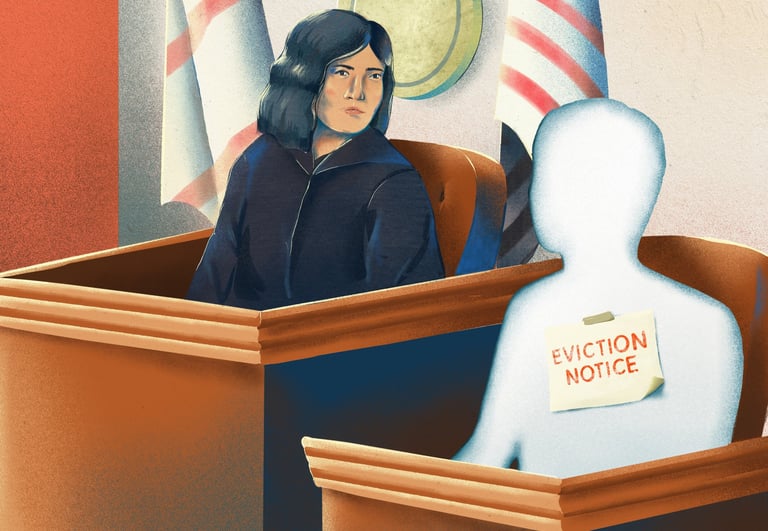
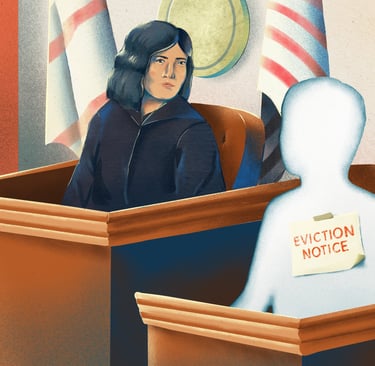
Legal compliance is a critical part of property management
Property management in Maryland is governed by state and county-specific laws, and these rules must be followed precisely. Legal compliance is not just paperwork. It directly affects how quickly and successfully issues like nonpayment of rent can be resolved.
For example, in Prince George’s County, if a tenant fails to pay rent, a landlord cannot immediately file an eviction case. The law requires a very specific process to be followed. Before taking a tenant to court, the landlord must first provide a written 10-day notice for failure to pay rent. This notice must clearly state the exact amount owed and give the tenant ten days to either pay the balance in full or vacate the property.
The notice must also be delivered correctly. Acceptable delivery methods include first-class mail with a certificate of mailing, posting the notice on the tenant’s door, or an agreed-upon electronic delivery method. The notice must be issued using the official court form DC-CV-115. If any of these steps are missed or completed incorrectly, the landlord cannot proceed.
If the tenant does not pay within the ten-day period, only then can the landlord file a Summary Ejectment complaint in District Court. This filing may lead to a court hearing, and if the tenant still fails to comply after a judgment, the court may issue a Warrant of Restitution to allow the landlord to regain possession of the property.
This entire process can take time, even when done correctly. If a landlord fails to follow every required step exactly, the judge may dismiss the case at the hearing. When that happens, the landlord must start the process over from the beginning, losing additional time and rental income. This is not only frustrating but exhausting for many homeowners.
This is why having a third party such as a professional property manager handle legal compliance is so important. A property manager understands the required procedures, timelines, and documentation and ensures that enforcement actions are handled properly from the start. This protects homeowners from unnecessary delays, rejected cases, and added stress.
For additional reference, homeowners can review Maryland’s failure-to-pay-rent process here:
https://www.peoples-law.org/failure-pay-rents